
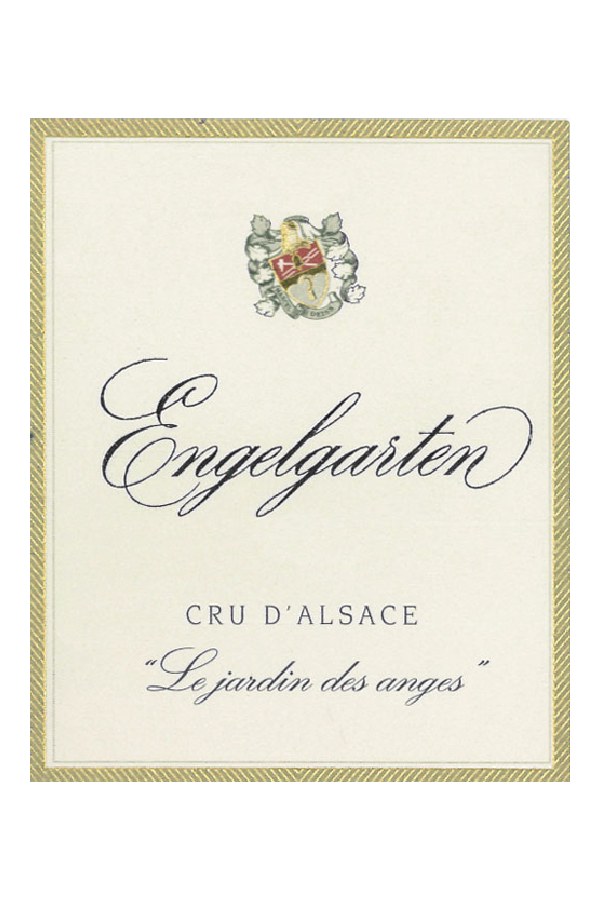
Domaine Marcel Deiss Alsace Engelgarten 2020
This 2020 Engelgarten from Marcel Deiss is an elegant field blend that expresses the noble gravelly terroir of Bergheim with a luminous pale-gold robe and a warm, mineral-laced character. Its aromatic tapestry weaves together hints of hot stone, citrus and white florals with a quietly determined, dry structure.
Tasting
- Aroma
- warm stone and citrus floral tones
- Palate
- dry, mineral, gently fat with sapidity
- Finish
- long mineral-driven closure
Pairs with
- grilled fish
- roasted lobster with citrus
- lemon risotto
Vineyard & Cellar
- Vinification
- Very slow whole-cluster pressing, up to 12-hours, natural yeast fermentations. Aged for 12 months in large, ancient foudres.
- Aging
- Aged for 12 months in large, ancient foudres.
From the Archive
A Magnificent Terroir of Gravel which is located off the canon of medieval fortifications of Bergheim. This Terroir, by its gravel structure and remarkable water deficit in September, allows obtaining a real maturity for the grape skins as the vines are weak with a limited yield.
Thus, the seal of Engelgarten is marked by the different grape varieties co-planted. A great dry, fat and mineral white wine, with a beautiful ample and bright bouquet where aromas of pear and cooked orange peel are wrapped in an intense minerality. Like all Gravel Terroir, Engelgarten present a warm feeling in the palate, the sweet notes of ripe white fruits and stringency at the end of palate evolving towards some mineral structure, tight and long-lasting. A wine can be easily paired with food just like all the other wines from the white gravel terroir.
Food pairing: Sea food: shellfish (shrimps, scampis, crabs, oysters). Fishes in the oven. Salty pies. Cow cheeses ( Brillat-Savarin) and foft sheep’s cheeses.
Terroir:"Graves" terroir of gravels on white soil, frequently faces hydric stress
Engelgarten is one of the most famous terroirs in Bergheim. The remarkably filtering soil allows for beautifully ripened fruit. The vine is quite old and worked with extreme care: manual de-weeding, short pruning, plowing, and composting. The vine struggles and gives limited yields with an excellent complexity.